In the age of TikTok “miracle oils” and Reddit nail hacks, it’s easy to forget that your nails are more than a beauty accessory as they’re part of your skin. Nails share the same keratin foundation as your hair and epidermis, and their condition can reveal a lot about your overall health. Yet, misinformation about nail care continues to spread online. Let’s separate fact from fiction.
Myth #1: “Nails need to breathe.”
Fact: Nails don’t have lungs or any need for air.
Your nails are made of keratin, a protein that’s not alive. What does need care is the nail matrix (the living tissue beneath the nail plate), which benefits from hydration and protection. Instead of leaving nails bare for oxygen, focus on using cuticle oil and moisturizer to support healthy growth.
Myth #2: “Biotin supplements guarantee stronger nails.”
Fact: Biotin only helps if you’re deficient, which is rare. While biotin can aid keratin production, most people already get enough through their diet. Excess supplementation won’t make your nails grow faster or thicker. Instead, prioritize a balanced diet with protein, iron, zinc, and omega-3s which nutrients proven to support both skin and nail health.
Myth #3: “Cutting cuticles helps nails grow.”
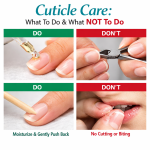
Fact: Your cuticles are your nail’s first line of defense. Cuticles protect the nail matrix from bacteria and irritants. Over-trimming or cutting them can lead to infections, inflammation, and long-term damage. The best approach? Gently push them back after softening and keep them moisturized but never removed entirely.
Myth #4: “Acrylics and gels ruin your nails permanently.”
Fact: Damage comes from improper application or removal, not the product itself. When done correctly, professional acrylic or gel manicures don’t destroy the nail. Problems arise when nails are over-filed, peeled off, or exposed to harsh chemicals without breaks. Use acetone carefully and schedule “nail rest” periods with strengthening serums or barrier oils between treatments. While acrylic nail products are widely used, certain monomers and resins can cause sensitization and allergic reactions. Because of this, acrylics are not universally safe, and individuals with a history of dermatitis or nail allergies should approach them with caution.
Myth #5: “Natural ingredients are always safer.”
Fact: Natural doesn’t always mean non-irritating. Essential oils, lemon juice, or vinegar-based “DIY” nail treatments can disrupt the skin barrier, cause allergies, or worsen dryness. Dermatology-based nail care relies on science-backed ingredients like urea, hyaluronic acid, and ceramides that hydrate and strengthen without irritation.
The Takeaway: Nail Care Is Skin Care
Your nails and skin are part of the same protective system. The same principles that guide healthy skincare such as gentle cleansing, moisturization, and barrier repair.
Dermatologist’s Tip:
Keep a dedicated nail care routine:
- Moisturize cuticles daily
- Avoid aggressive filing or buffing
- Wear gloves while cleaning
- Take breaks from polish and gels
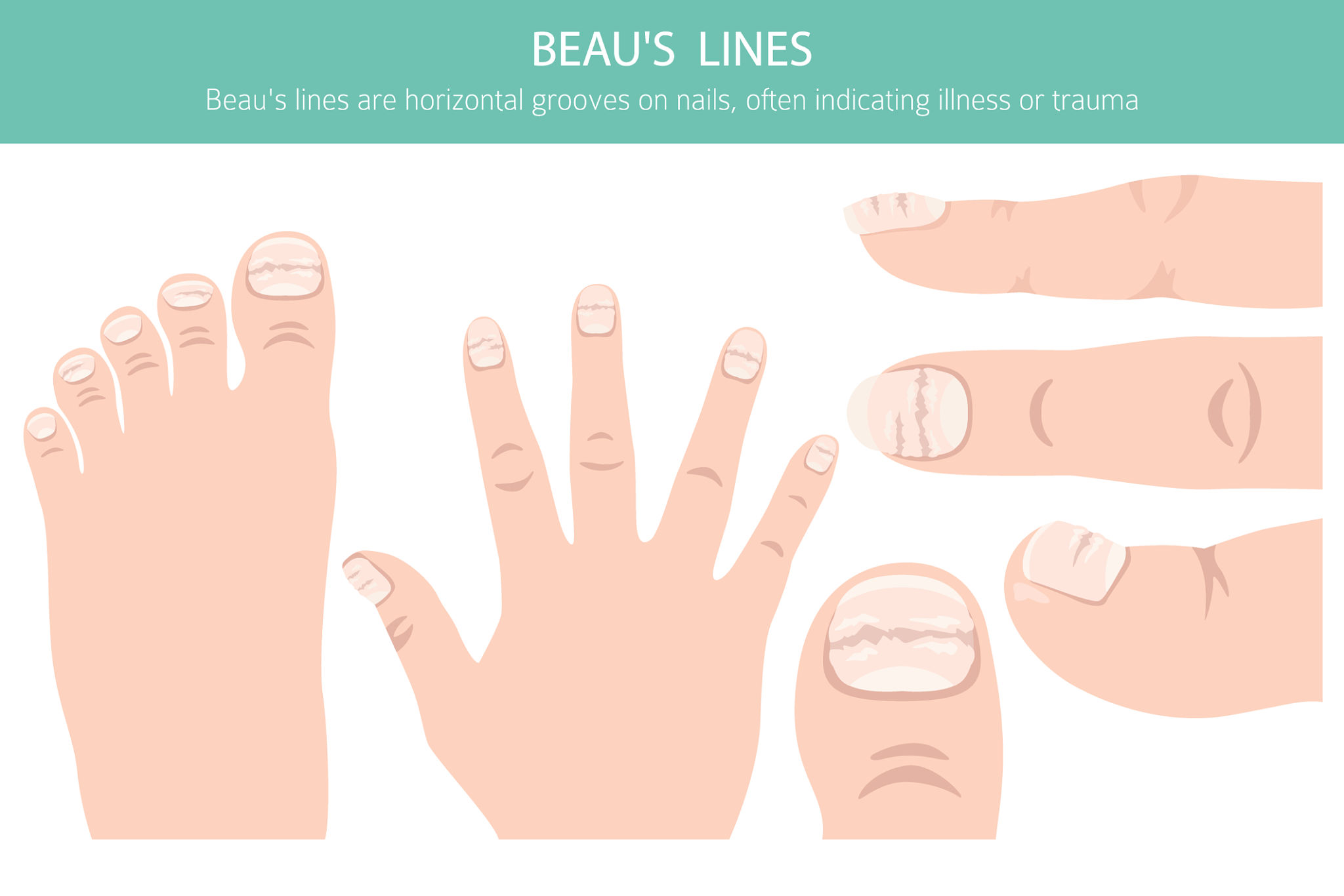
- Watch for changes in color, shape, or texture as these can be early signs of dermatologic conditions