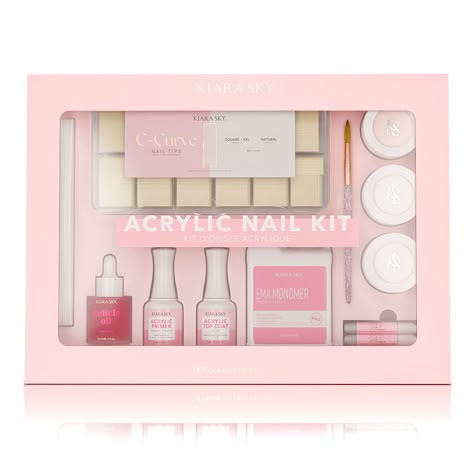
At-home acrylic manicure kits have exploded in popularity, promising “salon results” from the comfort of your bathroom counter. But behind the glossy packaging and influencer tutorials, many of these kits contain potent chemical allergens with surprisingly inconsistent safety warnings. As dermatologists continue to report rising cases of acrylate-induced contact dermatitis, it’s clear that consumers deserve a closer look at what these products contain—and how to use them safely.
Acrylic systems rely on acrylates and methacrylates—reactive monomers that harden when mixed or cured. In their uncured state, these ingredients are among the most common causes of allergic contact dermatitis seen in nail cosmetic exposure.
Symptoms of acrylate allergy can include:
- Redness, swelling, and itching around the nails
- Blistering or peeling around the fingertips
- Nail lifting or separation
- Persistent rashes that don’t improve with moisturizers
Once sensitized, individuals may continue reacting to acrylates for life. This can even complicate medical and dental care, since related compounds appear in fillings, adhesives, and orthopedic materials.
At-home acrylic, gel, and powder manicure kits have grown increasingly popular, yet a study (Riva & Woodruff, 2024) highlights that they carry significant but poorly communicated allergen risks. After reviewing the five best-selling kits from major U.S. retailers, the authors identified 66 nail products and 16 UV curing devices, with nearly half lacking accessible ingredient lists. Among products with verifiable ingredients, acrylates—well-established causes of allergic contact dermatitis—were common, particularly ethyl cyanoacrylate (44%) and 2-HEMA (16%). Several of the acrylates detected are not included in standard U.S. patch-testing panels, making accurate diagnosis difficult when patients develop reactions. Despite these risks, none of the products contained warnings about sensitization, and only a small fraction provided basic cautions such as avoiding skin or eye contact. This lack of consumer guidance is concerning, especially as nonoccupational acrylate allergy continues to rise with at-home nail kit use. In contrast to the European Union—which restricts 2-HEMA nail products to professionals—the United States currently has no comparable regulations. The study underscores the need for improved labeling, expanded patch-test series, and increased patient education by dermatologists to prevent avoidable cases of allergic contact dermatitis associated with these products (Riva & Woodruff, 2024).