How Nail Growth Reflects Aging, Stress, and Hormones
Your nails do more than hold polish—they quietly reflect what’s happening inside your body. Changes in how fast your nails grow, how strong they feel, or how smooth they look can offer clues about aging, stress levels, and hormonal shifts. Because nails grow slowly, they act like a biological timeline, recording patterns over weeks and months rather than days.
Here’s how to read those signals.
Understanding Nail Growth: What’s Normal?
On average, fingernails grow about 3 millimeters per month, while toenails grow much more slowly. Growth happens at the nail matrix, where new cells form and harden into keratin. This process depends heavily on circulation, metabolism, and nutrient availability—so anything that disrupts those systems can show up in your nails.
Aging and Nail Growth: What Changes Over Time
As we age, nail growth naturally slows. This isn’t a flaw—it’s a normal physiological shift tied to reduced blood flow, slower cell turnover, and changes in keratin production.
Common age-related nail changes include:
- Slower nail growth
- Increased brittleness or splitting
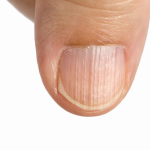
- Vertical ridges (very common and usually harmless)
- Nails appearing duller or less translucent
Gradual changes are expected with age. Sudden or dramatic changes, however, are not and may suggest an underlying issue.
Stress: When Life Leaves Its Mark on Your Nails
Chronic stress increases cortisol, which can interfere with circulation, nutrient absorption, and cellular repair. While stress doesn’t show up immediately, nails often reveal its effects weeks or even months later.
Stress-related nail signs may include:
- Peeling or splitting nails
- Slower-than-usual growth
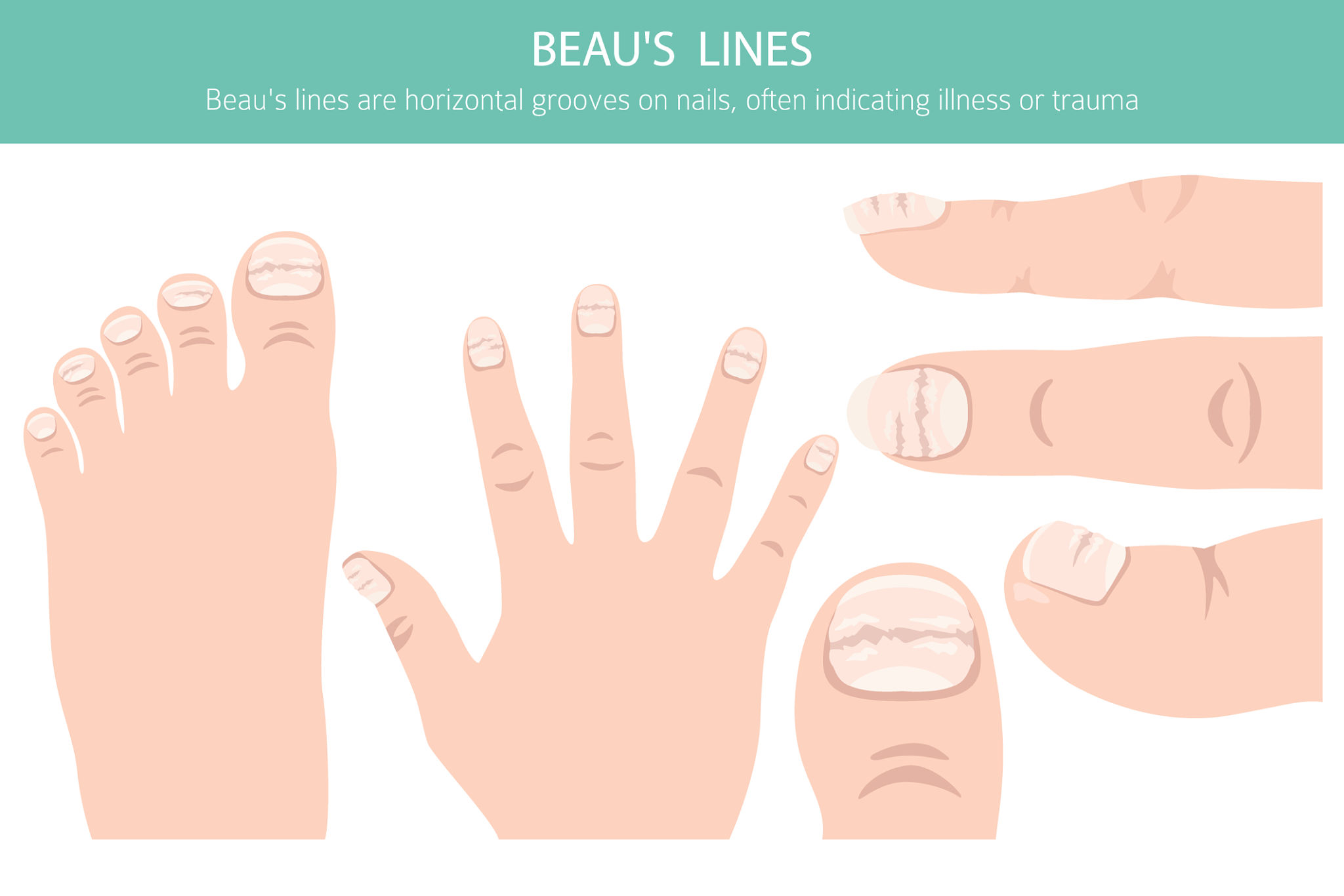
- Beau’s lines (horizontal grooves caused by a temporary interruption in growth)
- Nails breaking despite good care
Because nails grow slowly, these changes often reflect past stress rather than what you’re experiencing right now.
Hormones: The Hidden Drivers of Nail Health
Hormones play a major role in nail thickness, strength, and growth speed. Fluctuations—whether natural or medical—can quickly change how nails behave.
Estrogen
Estrogen supports nail growth and flexibility. When levels decline, such as during perimenopause or menopause, nails may become thinner, drier, and more brittle.
Thyroid Hormones
- Low thyroid levels can cause slow-growing, ridged, or fragile nails
- High thyroid levels may speed up growth but weaken nail structure
Pregnancy and Hormonal Shifts
Many people notice faster nail growth during pregnancy, while postpartum or menstrual-cycle changes can temporarily weaken nails.
Hormone-related nail changes often fluctuate—but persistent changes should be evaluated.
Why Nail Changes Matter
Nails alone can’t diagnose health conditions, but they can provide valuable context. When nail changes appear alongside fatigue, hair thinning, skin changes, or mood shifts, they may help point toward a broader underlying pattern.
Pay attention to:
- Sudden changes rather than gradual ones
- Changes affecting most or all nails
- Nail changes paired with other physical symptoms
Supporting Healthy Nail Growth at Any Age
While aging and stress are unavoidable, nail health can still be supported with consistent care:
- Eat enough protein, iron, zinc, and biotin
- Moisturize nails and cuticles regularly
- Minimize repeated gel or acrylic removal damage
- Prioritize sleep and stress management
- Seek medical advice for ongoing or unexplained nail changes
Final Thoughts
Your nails are subtle messengers, reflecting internal rhythms shaped by time, stress, and hormones. Not every change is a cause for concern—but paying attention can offer insight into your overall health. Sometimes, the smallest details tell the most meaningful stories.